What makes an outfit actually work
Trends come and go, but a good outfit always obeys the same quiet rules. Master three of them and you can get dressed with confidence in any decade.

We tend to talk about style as if it were taste — something you either have or you don’t. But most outfits that just work aren’t the product of mysterious flair. They’re the product of three things getting along: colour, fit, and proportion. Get those right and almost anything looks considered. Get them wrong and even expensive clothes look off.
Colour: build around a temperature
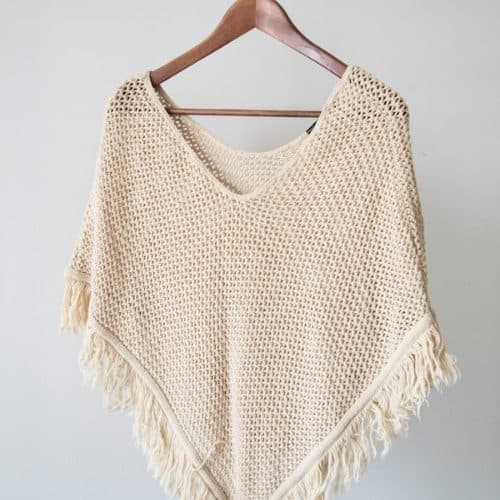
You don’t need a colour wheel. You need to notice whether your pieces are warm or cool, and keep most of an outfit on one side. Warm neutrals — cream, camel, olive, rust — sit together easily. Cool ones — grey, navy, charcoal, true white — do the same. Trouble usually starts when warm and cool fight in the same look without anything to bridge them.
A reliable formula: two or three colours, one of them a neutral doing most of the work, and at most one that actually draws the eye. The outfit reads calm and intentional, not busy.
Most “I have nothing to wear” mornings are really “nothing in here matches.” Fix the palette and the closet doubles overnight.
Fit: the cheapest upgrade there is
Fit is the single biggest difference between looking polished and looking like you got dressed in the dark — and it costs nothing to get right. A shoulder seam that lands where your shoulder ends. A hem that breaks cleanly. Sleeves that stop at the wrist bone. None of this is about being slim or tall; it’s about clothes meeting your body where it actually is.
If a piece is great in every way except fit, a tailor is almost always cheaper than a replacement — and the result is something that looks made for you.
Proportion: balance loose with lean
Proportion is how the volumes of an outfit relate. The instinct that makes a look feel right is usually balance: pair something relaxed with something fitted. An oversized knit over slim trousers. A boxy jacket with a straight, clean leg. A flowing dress with a structured shoe.
- Loose on top, lean on the bottom — or the reverse. Rarely both loose.
- Define a waist somewhere when everything else is relaxed.
- Let one piece be the statement; let the rest support it quietly.
Why it’s hard to see on yourself
Here’s the catch: colour, fit and proportion are easy to judge on someone else and strangely hard to judge in your own mirror at 7am. That’s not a flaw in your taste — it’s just missing a second opinion at the moment you need it.
It’s the gap Sty AI is built to close. It looks at a planned outfit and tells you what’s working and what to tweak — a warmer shoe, a cleaner proportion, one colour too many — so the rules become instinct, and getting dressed stops being a guess.